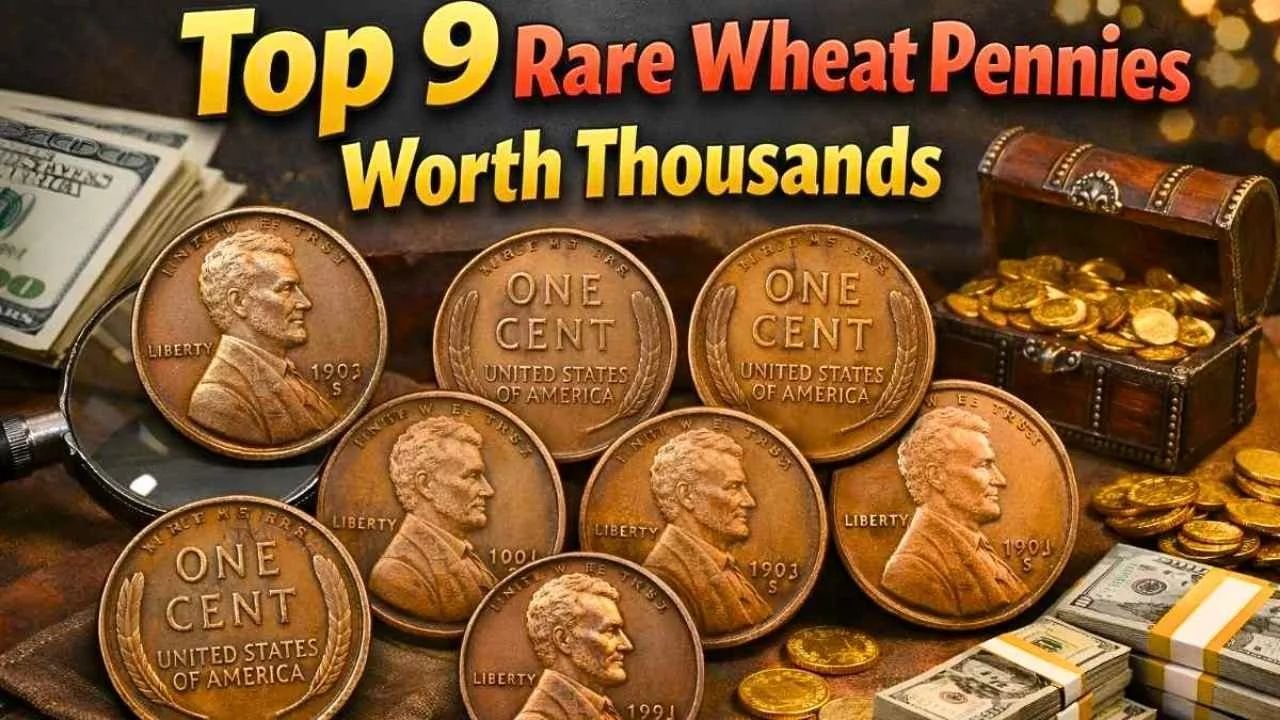
Wheat Pennies continue to captivate collectors and casual enthusiasts alike. Minted between 1909 and 1958, these iconic coins feature Abraham Lincoln on the obverse and wheat stalks on the reverse, symbolizing prosperity. While most are worth only a few cents over face value, certain rare varieties and minting errors have become hidden treasures, commanding thousands at auctions and private sales. In 2026, Wheat Pennies remain highly sought after, offering both historical appeal and investment potential.
For collectors, discovering one of these rare coins in pocket change or a family collection can be an exciting moment. Their value comes from scarcity, condition, and fascinating stories tied to American history.
Why Wheat Pennies Hold Value
Introduced in 1909 to commemorate Abraham Lincoln’s centennial, the Wheat Penny was the first U.S. coin to feature a real person. Designed by Victor David Brenner, its simple yet iconic design has made it a favorite among collectors for over a century. Coins with low mintage, minting errors, or exceptional preservation often attract significant premiums. High-grade examples in pristine condition can fetch thousands, while unusual varieties offer a unique glimpse into U.S. minting history.
Mint errors—like double dies, off-center strikes, or missing mint marks—create scarcity that elevates a coin’s value beyond its face denomination.
Top 9 Rare Wheat Pennies
Here are nine Wheat Pennies prized for rarity and high value:
| Coin | Key Feature | Approximate Value |
|---|---|---|
| 1909-S VDB | Low mintage with designer initials | $5,000 – $50,000+ |
| 1914-D | Denver mint, scarce in high grade | $1,000 – $10,000+ |
| 1922 No D | Missing Denver mintmark | $20,000+ |
| 1931-S | San Francisco mint, low mintage | $200 – $5,000+ |
| 1943 Copper | Struck on copper instead of steel | $500,000+ |
| 1944 Steel | Steel planchet error after copper return | $10,000+ |
| 1955 Double Die | Dramatic doubling on inscriptions | $2,000 – $50,000+ |
| 1926-S | San Francisco mint, scarce in high grades | $500 – $5,000+ |
| 1949-S | High-grade San Francisco examples | $1,000+ |

The 1909-S VDB is particularly iconic due to its low mintage and historical controversy over the designer’s initials. The 1943 Copper Penny is legendary, struck on the wrong planchet during wartime, and remains one of the most valuable U.S. coins ever. The 1955 Double Die is instantly recognizable, with its dramatic doubled inscriptions making it a favorite among error coin collectors.
Collector Insights
Condition is critical. Coins graded MS-65 or higher significantly outperform worn examples. Professional grading services provide authentication and help establish accurate value. Building complete sets of Wheat Pennies not only enhances historical appreciation but also adds long-term investment potential.
Collectors should carefully examine coins for unusual features or errors, check mint marks, and store coins in protective holders. Following auction results is also essential to stay informed about market trends.
Market Trends in 2026
The Wheat Penny market remains strong. Online auctions, coin shows, and private sales continue to attract buyers of all ages. Younger collectors are drawn to the accessibility and historical significance of the series. High-grade coins, error varieties, and low-mintage dates have shown steady growth in value, reflecting ongoing demand.
Final Thoughts
Wheat Pennies are more than just small change—they are artifacts of American history. From the iconic 1909-S VDB to the legendary 1943 Copper Penny, these coins highlight how rarity, history, and condition combine to create extraordinary value. Whether you are a seasoned collector or just starting out, Wheat Pennies offer both excitement and the possibility of discovering hidden treasures. In 2026, the search for these remarkable coins continues, proving that sometimes the most ordinary coins can hold extraordinary worth.