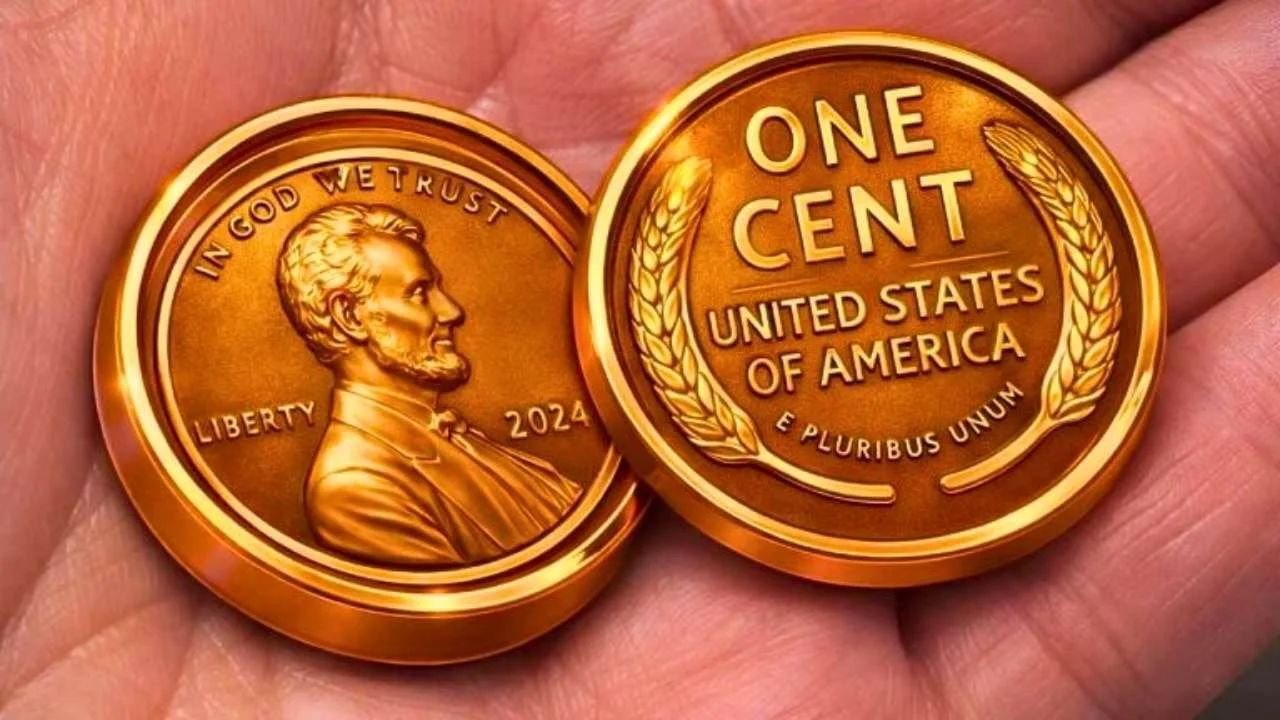
The Lincoln Wheat Penny has long been a staple of American coinage, instantly recognizable for its iconic design and historical significance. First struck in 1909, it introduced the nation to a president’s portrait on everyday currency. While most Wheat Pennies are worth only a few cents, certain rare varieties have achieved extraordinary collector value. In 2026, a Wheat Penny discovered in circulation made headlines for fetching $100,000, proving that remarkable coins can still appear in the most unexpected places.
For collectors and casual enthusiasts alike, this discovery highlights the ongoing allure of the Wheat Penny. Its rich history, limited rarities, and potential for hidden fortune continue to captivate the numismatic world.
A Legacy of the Lincoln Wheat Penny
Designed by Victor David Brenner, the Lincoln Wheat Penny was groundbreaking for featuring a U.S. president on the obverse. The reverse, adorned with two wheat stalks, symbolized prosperity and growth. Minted from 1909 to 1958, these pennies circulated through decades of American history, from economic booms to wartime hardship.
The series produced numerous varieties and mint marks, with occasional minting errors creating highly sought-after coins. Today, these rarities define the Wheat Penny’s place in American numismatics.
Top Wheat Penny Varieties Driving Six-Figure Values
| Coin | Distinctive Feature | Collector Appeal | Market Range* |
|---|---|---|---|
| 1909-S VDB | Designer initials on reverse | First-year issue, very low mintage | $50,000–$120,000+ |
| 1914-D | Denver Mint low-mintage | High-grade rarity | $20,000–$80,000 |
| 1922 No D | Missing Denver Mint mark | Minting anomaly | $10,000–$50,000 |
| 1943 Copper | Copper instead of steel | WWII error, extremely rare | $500,000+ historically |
| 1955 Double Die | Dramatic doubling on obverse | Error coin classic | $15,000–$80,000 |
*Values depend on grade, certification, and provenance.
1909-S VDB
The 1909-S VDB Lincoln Wheat penny is one of the rarest. Only 484,000 were minted at the San Francisco Mint, making high-grade examples highly coveted among collectors.
1914-D
This Denver Mint issue is prized for its scarcity in Mint State grades. Collectors seek it for its historical significance and limited numbers.
1922 No D
A minting oversight omitted the Denver Mint mark on some pennies, creating one of the most famous Wheat Penny rarities. Surviving examples are extremely scarce.
1943 Copper Penny
During World War II, pennies were struck in steel to conserve copper. A few copper pieces were mistakenly produced, and they are now legendary among collectors.
1955 Double Die
The dramatic doubling of the obverse design makes the 1955 Double Die Lincoln Wheat penny a classic error coin. Its striking appearance and scarcity keep collectors engaged.
Grading and Condition
A coin’s condition dramatically affects its value. Grading ranges from Poor (P‑1) to Mint State (MS‑70). High-grade, certified examples command significant premiums, while circulated coins with wear are generally worth little more than face value. Provenance can also enhance prices, particularly for pieces linked to famous collections or auction records.
The $100,000 Wheat Penny discovered in 2026 was graded at the highest levels, marking it as one of the finest known examples and a standout in modern numismatics.
Market Trends and Collector Demand
Auction results consistently highlight the Wheat Penny’s enduring appeal. Rare examples regularly fetch tens of thousands or even six-figure prices. The 1943 Copper Penny has historically exceeded $1 million, and other rarities continue to climb steadily.
Demand remains strong in 2026, driven by collectors seeking both historical significance and investment potential. Wheat Pennies provide an accessible entry point for beginners and a challenging pursuit for advanced enthusiasts.
Preservation and Care
Handling Wheat Pennies properly is crucial. Collectors use gloves and protective holders to prevent damage, and climate-controlled storage ensures long-term preservation. Cleaning is strongly discouraged, as it can irreversibly lower a coin’s value. Professional conservation is the safest method for rare and high-value pieces.
Final Thoughts
The Lincoln Wheat Penny is more than small change—it is a tangible piece of American history. While most are common, rare varieties in exceptional condition can command extraordinary prices, as the $100,000 discovery in 2026 demonstrates.
Whether unearthed in a forgotten coin jar or acquired at auction, Wheat Pennies continue to offer the thrill of hidden treasure, blending historical significance with remarkable investment potential.