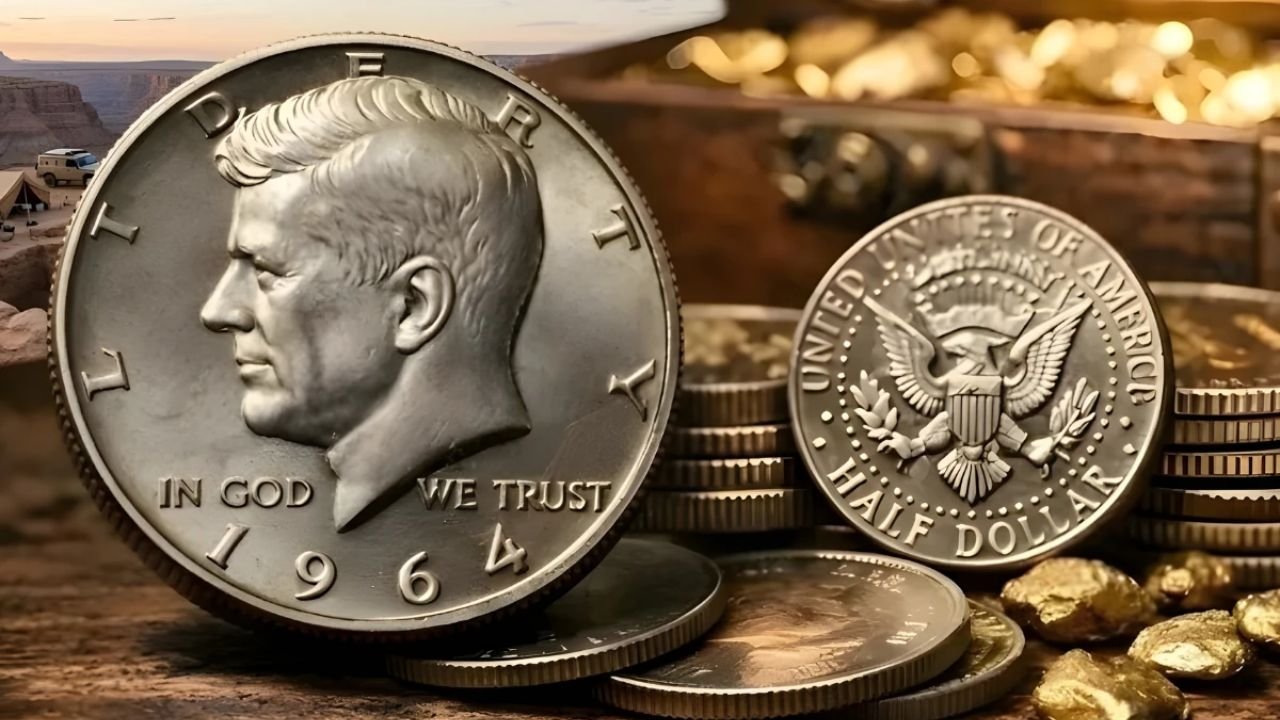
The Kennedy half dollar stands as one of the most recognizable and collectible U.S. coins. Introduced in 1964 to honor President John F. Kennedy, its timeless design and historical significance make it a favorite among both casual collectors and serious investors. Whether you own a few coins or a growing collection, understanding key factors like rare dates, silver content, and condition grading is essential for assessing value and making informed purchases.
Overview of the Kennedy Half Dollar
Since its debut, the Kennedy half dollar has retained a consistent design: a profile of President Kennedy on the obverse and the presidential seal on the reverse. While the design remained largely unchanged, the coin’s composition evolved over time. Early issues contained significant silver content, which strongly influences today’s market value. Later coins were struck in base metals, maintaining collectibility but generally carrying lower intrinsic value. Recognizing these distinctions is the first step toward identifying high-value coins in circulation or at coin shows.
Historical Background
Authorized in the aftermath of Kennedy’s assassination in 1963, the half dollar quickly captured public interest. Mass production initially aimed to satisfy both collectors and the general public, but silver content changes in 1965–1970 responded to fluctuating metal prices. After 1970, coins transitioned to a copper-nickel clad composition, making silver content a defining characteristic for early collectors. Understanding these historical changes is critical when evaluating coins for both numismatic and investment purposes.
Key Dates and Rare Issues
Not all Kennedy half dollars carry the same market appeal. Certain dates and mint marks are particularly sought after:
- 1964: The inaugural issue, containing 90% silver, is highly prized by collectors and investors alike.
- 1965–1970: These coins feature 40% silver, offering value above face due to metal content.
- Low Mintage and Error Coins: Coins with limited production or minting anomalies, such as doubled dies or off-center strikes, often command significant premiums.
Mint marks, including “D” for Denver and “S” for San Francisco, can further influence rarity and value. Identifying these special issues ensures collectors focus on coins with the greatest market potential.
The Role of Condition and Grading
Condition is arguably the most critical factor in determining a coin’s value. Professional grading evaluates wear, strike quality, and luster on a numerical scale from 1 to 70:
- MS65 and Above: Uncirculated coins with exceptional preservation often fetch premium prices.
- Circulated Coins: Well-preserved coins in lower grades can still be more valuable than common examples, depending on date and mint mark.
- Grading Terminology: Terms like MS (Mint State), AU (About Uncirculated), and XF (Extremely Fine) are standard descriptors used by collectors and dealers.
Accurate grading allows collectors to make realistic valuations, compare coins effectively, and negotiate fair prices.
Understanding Silver Content
Silver content dramatically affects the intrinsic and collectible value of Kennedy half dollars. Key points include:
- 1964 Coins: Composed of 90% silver, their value closely tracks silver spot prices.
- 1965–1970 Coins: Containing 40% silver, these coins offer a middle ground between collector and bullion value.
- Post-1970 Clad Coins: While lacking silver, these issues retain numismatic interest, especially in high grades or rare varieties.
Monitoring silver markets can help collectors make strategic decisions about buying or selling silver-containing half dollars.
Market Trends and Current Values
Prices for Kennedy half dollars vary based on date, condition, and metal content. Modern circulated issues often trade near face value, while silver coins and high-grade specimens can command substantial premiums. Auction results, dealer price guides, and online marketplaces provide up-to-date insights. Collectors who track trends are better equipped to buy strategically and maximize returns over time.
Rare Varieties and Mint Errors
Beyond standard issues, rare varieties can significantly increase a coin’s appeal:
- Doubled Dies: Distinct doubling of design elements, particularly on early issues.
- Off-Center Strikes: Coins with misaligned designs from the minting process.
- Repunched Mint Marks (RPM): Coins where the mint mark was struck multiple times, creating visible duplication.
Proof coins with unique strikes or anomalies also attract premium attention. Expert verification is often necessary to confirm authenticity and value for these rarities.
Tips for Collecting and Buying
Maximizing value when purchasing Kennedy half dollars requires careful planning:
- Buy from Reputable Sources: Certified dealers and third-party graded coins ensure authenticity.
- Inspect Coins Carefully: Check for wear, scratches, and cleaning, which can reduce value.
- Compare Market Prices: Use multiple sources, including auctions and online listings, to gauge fair pricing.
- Prioritize Rarity and Condition: Focus on low-mintage dates, silver content, and high-grade specimens.
- Set a Budget: Plan purchases strategically to fill collection gaps or invest in high-potential coins.
Conclusion
The Kennedy half dollar is a captivating coin with both historical significance and investment potential. Value is determined by a combination of date, mint mark, silver content, condition, and rarity. Understanding these factors enables collectors to make informed decisions, whether they are seeking to complete a collection or explore numismatic investment opportunities. With careful research, attention to detail, and strategic acquisitions, the Kennedy half dollar remains a cornerstone of modern U.S. coin collecting.