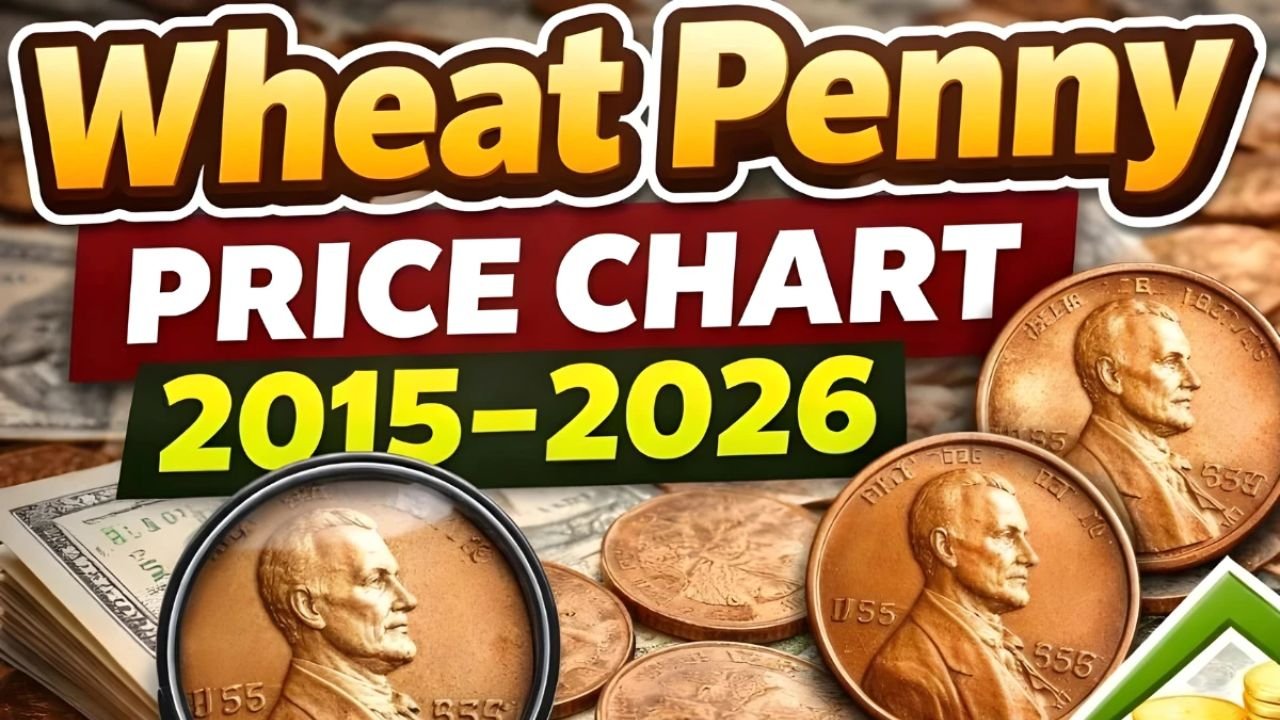
The Wheat Penny has long been a favorite among collectors and investors, offering a blend of historical significance and tangible value. Minted between 1909 and 1958, these classic U.S. copper cents have experienced fluctuating prices over the past decade due to collector demand, rarity, and changes in the broader market. The Wheat Penny Price Chart 2015–2026 provides a decade-long view of these shifts, helping enthusiasts understand trends, spot market spikes, and make informed buying or selling decisions.
Price History Overview
Before analyzing the 2015–2026 chart, it’s important to understand the broader context of Wheat Penny pricing. Historically, values have gradually risen as collector interest and the scarcity of well-preserved coins increased. Prices are influenced not only by coin rarity but also by macroeconomic trends such as inflation and commodity prices, particularly copper. The chart from 2015 onward illustrates periods of stability, minor fluctuations, and notable spikes, reflecting both internal numismatic trends and external economic pressures.
2015 Price Trends
In 2015, Wheat Penny prices saw modest growth compared to previous years. Collectors and investors focused on high-grade coins and rarer dates, driving up auction premiums and dealer prices for these specimens. Common circulated dates remained affordable, making them accessible for beginners, while premium coins began to attract more serious attention. While 2015 was not a breakout year, it set a baseline for analyzing subsequent market trends over the next decade.
2016 to 2020: Gradual Gains and Growing Interest
Between 2016 and 2020, Wheat Penny values exhibited steady increases. Collector interest expanded as people sought alternative investments, particularly tangible assets with historical value. Coins with lower mintages and rare mint marks often experienced larger gains than common issues. Online marketplaces and auction platforms played a growing role, offering wider exposure and competitive pricing. This period reflects a gradually building momentum in the numismatic market, driven by both hobbyists and investors recognizing the long-term potential of Wheat Pennies.
2021 to 2026: Market Spikes and Increased Demand
From 2021 onward, the Wheat Penny market experienced notable upward pressure. Several factors contributed to this trend:
- Pandemic-Era Collecting: Increased time at home and a surge in online trading brought new enthusiasts into the market.
- High-Grade and Rare Coins: Premium specimens, especially from low-mintage years, saw sharp price increases.
- Inflation and Investment Diversification: Collectors turned to coins as a hedge against inflation and portfolio diversification.

The 2021–2026 price chart illustrates both short-term market reactions and long-term valuation trends, highlighting periods of rapid appreciation alongside steadier growth phases.
Key Value Influencers
Several factors consistently impact Wheat Penny prices:
- Rarity and Mint Marks: Coins from limited runs or specific mints (like the 1909-S VDB or 1914-D) command higher prices.
- Condition and Grading: Professionally graded coins in mint or near-mint condition fetch substantial premiums compared to circulated examples.
- Market Forces: Inflation, copper prices, and investment trends directly affect both collector and intrinsic value.
- Collector Demographics: Cultural interest and generational shifts influence demand, with younger collectors increasingly entering the market.
Understanding these influencers helps contextualize the chart and anticipate future movements in value.
Strategic Collecting Using Price Charts

Collectors and investors can leverage the 2015–2026 chart to develop informed strategies:
- Focus on Rare Dates: Prioritize low-mintage and historically significant coins for higher potential returns.
- Monitor Grading Trends: High-grade specimens consistently outperform lower-quality examples.
- Track Market Fluctuations: Use auction results and online sales to gauge real-time demand and price shifts.
- Diversify Holdings: Combine common and rare coins to balance risk and reward.
- Plan for Long-Term Value: Treat Wheat Pennies as both collectible and investment assets, recognizing that appreciation often occurs gradually.
Incorporating these strategies alongside the price chart helps collectors make data-driven decisions rather than relying on anecdotal trends.
Conclusion
The Wheat Penny Price Chart 2015–2026 provides an invaluable lens into a decade of market behavior for one of America’s most beloved coin series. By examining yearly trends, understanding value drivers, and implementing strategic collecting approaches, both novice and experienced enthusiasts can make smarter buying, selling, and holding decisions. The chart not only reflects historical pricing patterns but also offers insights into cultural and economic factors influencing coin values. For anyone engaged in Wheat Penny collecting, these trends form the foundation of a well-informed, forward-looking approach to the market.