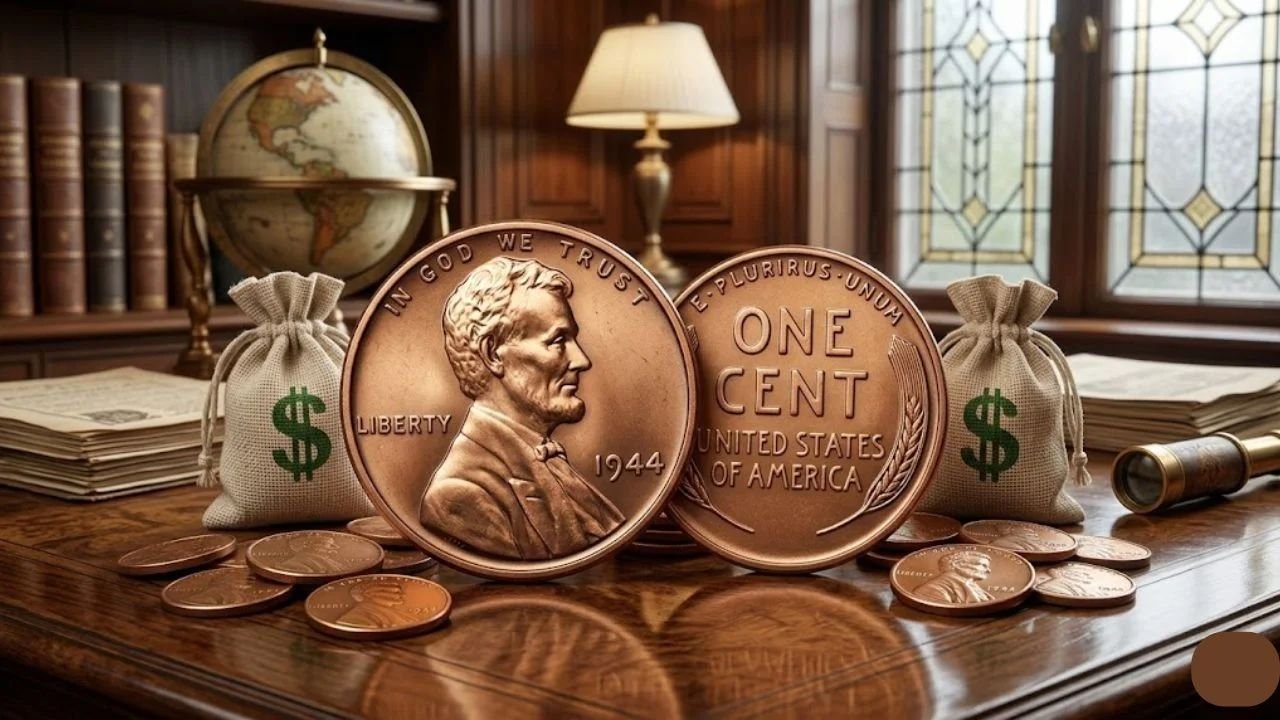
The Lincoln Wheat Penny is more than just a one-cent coin—it’s a piece of American history and a collectible that can be surprisingly valuable. Minted from 1909 to 1958, these pennies feature Abraham Lincoln on the front and two wheat stalks on the back, earning them the nickname “Wheaties.” While most are worth only a few cents, certain rare dates and minting errors can fetch thousands of dollars. In 2026, the market for these coins is growing, with young collectors entering the hobby and prices for rare coins steadily rising.
A Brief History of the Lincoln Wheat Penny
The Lincoln Wheat Penny debuted in 1909 to celebrate Abraham Lincoln’s centennial. Designed by Victor David Brenner, it was the first U.S. coin to feature a real person rather than symbolic figures like Lady Liberty. For nearly 50 years, these coins were produced in massive quantities, but some years had far fewer coins minted, creating rarity. Occasional minting errors also occurred, adding unique varieties highly prized by collectors today. The series ended in 1958, replaced by the Lincoln Memorial design, but the Wheaties legacy remains strong.
Key Rare Lincoln Wheat Pennies and Their Value
Certain Wheat Pennies are particularly valuable due to low mintage, design errors, or unique features. Here’s a snapshot of the most sought-after coins:
| Coin Variety | Year | Why It’s Rare | Approximate Value Range |
|---|---|---|---|
| 1909-S VDB | 1909 | Only 484,000 made; designer initials on back | $700 – $2,500+ |
| 1914-D | 1914 | Very few survived in good condition | $150 – $3,000+ |
| 1922 No D | 1922 | Denver mint mark missing by mistake | $500 – $15,000+ |
| 1931-S | 1931 | Low mintage of just 866,000 coins | $75 – $500+ |
| 1943 Copper | 1943 | Made on copper instead of steel | $100,000 – $200,000+ |
| 1955 Double Die | 1955 | Letters and numbers appear doubled | $1,000 – $15,000+ |
Knowing these key dates helps collectors focus on coins with the highest market potential.
Understanding Coin Condition and Grading
A penny’s grade dramatically affects its value. Coins are evaluated on a scale from poor to mint state (MS), with higher grades commanding premium prices. Key categories include:
- Poor to Good: Date and details are heavily worn.
- Fine to Very Fine: Moderate wear; most details visible.
- Extremely Fine: Minor wear; sharp features remain.
- Mint State (MS): Uncirculated with original luster intact.
Color also matters. Coins retaining their original red hue (“Red”) are more valuable than those that have turned brown over time. Professional grading companies like PCGS and NGC certify coins, verifying authenticity and grade for collectors and buyers.
Market Trends in 2026
The coin collecting market in 2026 is dynamic. Social media platforms like TikTok and YouTube have introduced younger audiences to coin hunting, driving demand. Auction houses report frequent bidding wars for rare Wheat Pennies, and even common dates have increased slightly in value due to higher copper prices and general collector interest. The legendary 1943 Copper Penny continues to attract media attention, with auction prices exceeding $150,000 for coins in decent condition.
Online marketplaces have made buying and selling coins easier than ever, but caution is required. Counterfeit coins exist, and high-value pieces should always come with certification from reputable dealers.
Tips for New Wheat Penny Collectors
For those starting a collection, these strategies can help maximize both enjoyment and potential value:
- Check Old Coin Jars: Relatives may have Wheat Pennies tucked away.
- Invest in a Reference Book: The “Guide Book of United States Coins” (Red Book) is invaluable.
- Start with Common Dates: Affordable coins allow practice with grading and handling.
- Memorize Key Dates: Learn rare years to avoid accidentally spending valuable coins.
- Handle Coins Carefully: Always touch coins by the edges to preserve surfaces.
- Use a Magnifying Glass: Small details and mint marks are critical for identifying value.
- Join a Coin Club: Learn from experienced collectors and share insights.
Frequently Asked Questions
Q: How do I know if I have a rare 1943 Copper Penny?
A: Real 1943 pennies were steel and magnetic. If your coin is copper-colored and not magnetic, it’s likely very rare—have it examined by a professional immediately.
Q: What does “VDB” mean on some pennies?
A: Those are the initials of designer Victor David Brenner, appearing on certain 1909 pennies.
Q: Where is the mint mark?
A: Look below the date on the front (Lincoln’s side). D = Denver, S = San Francisco, no letter = Philadelphia.
Q: Should I clean old pennies?
A: Never clean coins. Cleaning damages the surface and drastically reduces value.
Q: Which rare Wheat Pennies are easiest to find?
A: The 1944 steel penny and 1955 double die are sought after, but most coins you’ll encounter are common dates worth a few cents.
Final Thoughts
Lincoln Wheat Pennies are small in size but huge in historical and collectible value. They connect collectors to America’s past while offering the thrill of discovery and potential investment upside. Whether you’re exploring old coin jars, building a collection, or simply curious about that lone penny in your pocket, these coins hold enduring appeal. In 2026, Wheat Pennies continue to grow in popularity, and the next valuable find could be just around the corner.