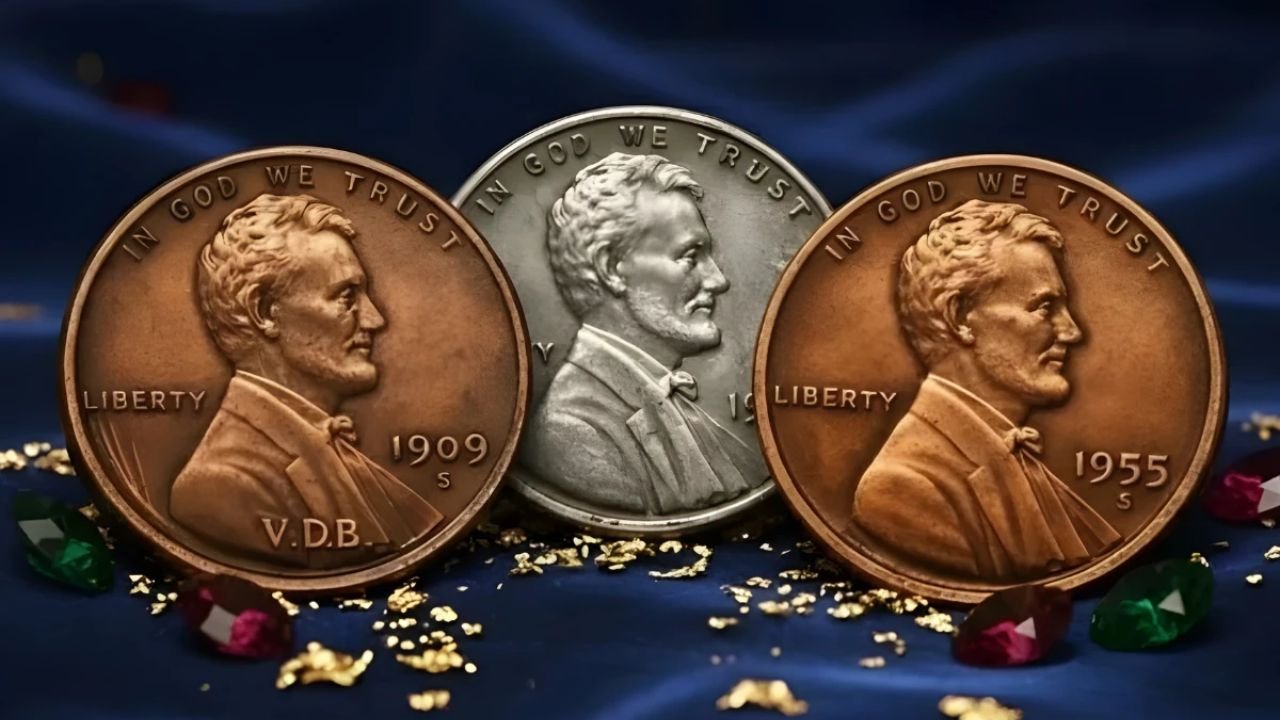
The Lincoln Wheat Penny remains one of the most iconic and sought-after coins in American numismatics. Introduced over a century ago, these coins are prized for their historical significance, timeless design, and the potential for high collector value. Whether you are an experienced numismatist or a newcomer, understanding the nuances of wheat pennies—from rare dates to grading standards—can significantly enhance your collecting strategy and investment decisions.
A Brief History of the Lincoln Wheat Penny
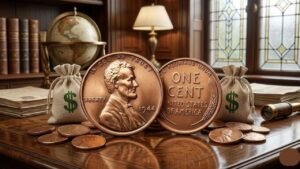
First minted in 1909 to commemorate Abraham Lincoln’s centennial, the Lincoln Wheat Penny marked a departure from the Indian Head penny. Designed by Victor David Brenner, the coin features Lincoln’s profile on the obverse and two wheat stalks framing the denomination on the reverse—a design that would endure until 1958. These coins circulated widely across the United States, becoming a staple of everyday transactions. Today, they offer collectors a tangible piece of American history, with certain issues commanding exceptional market value.
Special Dates That Command Attention
Not all wheat pennies are created equal. Specific years and mint marks have become legendary among collectors due to limited production or unique circumstances during minting. Some of the most coveted include:
- 1909-S VDB: The very first year of production, featuring the designer’s initials (VDB) on the reverse. Its low mintage makes it highly prized.
- 1914-D: Struck at the Denver Mint in limited numbers, this coin is notable for its scarcity in high-grade condition.
- 1922 Plain: A unique Philadelphia issue missing the mint mark, offering both rarity and intrigue.
Mint marks, including “D” for Denver and “S” for San Francisco, play a crucial role in determining a coin’s rarity. Identifying these key dates early can guide collectors toward the most valuable additions to their collections.
Understanding Condition and Grading
A penny’s value is directly influenced by its condition. Grading allows collectors to objectively assess wear, detail, and overall preservation. Standard grading tiers include:
- Poor (P) to Good (G): Significant wear with details barely visible; typically low market value.
- Fine (F) to Very Fine (VF): Moderate wear with major features visible; moderate market value.
- Extremely Fine (EF/XF) to About Uncirculated (AU): Minor signs of circulation, sharp details remain; higher value.
- Mint State (MS60–MS70): Uncirculated coins with full original luster; these command the highest prices.
Grading is not only a guide for buying and selling but also helps collectors understand the long-term investment potential of their coins. Even subtle differences in wear or surface quality can lead to substantial price variations.
Market Trends and Collector Demand
The value of wheat pennies is influenced by both historical significance and modern collector interest. Over the past decade, demand for high-grade rare dates has steadily increased, particularly among investors seeking tangible assets with long-term appreciation potential. Conversely, common dates in worn condition remain accessible and are ideal for beginners or casual collectors. Keeping track of auction results, online marketplaces, and numismatic publications helps collectors make informed decisions about buying and selling.
Rare Varieties That Stand Out
Beyond standard mint years, some wheat pennies feature unique varieties that elevate their value. These include:
- Doubled Dies: Coins exhibiting a doubling of the design elements, such as the famous 1955 Doubled Die Obverse.
- Off-Center Strikes: Errors during minting that create coins with displaced designs.
- Repunched Mint Marks (RPM): Coins where the mint mark was struck more than once, producing a visible duplication.
Collectors and serious investors often seek these varieties for their scarcity and visual appeal. Specialized reference guides and digital databases provide essential tools for identifying and verifying these rarities.
Expert Tips for Buying Wheat Pennies
Acquiring valuable wheat pennies requires careful attention and strategic planning:
- Work with Reputable Dealers: Choose certified dealers or coins authenticated by third-party grading services to ensure legitimacy.
- Inspect Closely: Examine coins for wear, scratches, or cleaning, all of which can reduce value.
- Set a Budget: Prioritize purchases that fill collection gaps or offer strong investment potential.
- Compare Prices: Utilize multiple sources, including online marketplaces and auction results, to verify fair market value.
- Focus on Rarity and Condition: Coins with rare dates, mint marks, or unique varieties in high grades often provide the best long-term value.
Building and Maintaining a Collection
A successful wheat penny collection balances historical significance, aesthetic appeal, and investment potential. Collectors should maintain proper storage conditions to preserve luster, avoid handling coins with bare hands, and periodically reassess the collection’s market value. Diversifying across different dates, mint marks, and varieties ensures both enjoyment and potential financial reward.
Final Thoughts
The Lincoln Wheat Penny is more than just a coin—it is a tangible connection to America’s past and a compelling opportunity for collectors and investors alike. Understanding the nuances of special dates, grading, market trends, and rare varieties empowers collectors to make informed decisions and maximize the value of their collections. With careful attention to detail and strategic acquisition, collectors can enjoy both the historical richness and financial potential these coins offer. Whether starting a new collection or enhancing an existing one, the Lincoln Wheat Penny remains a cornerstone of numismatic excellence.