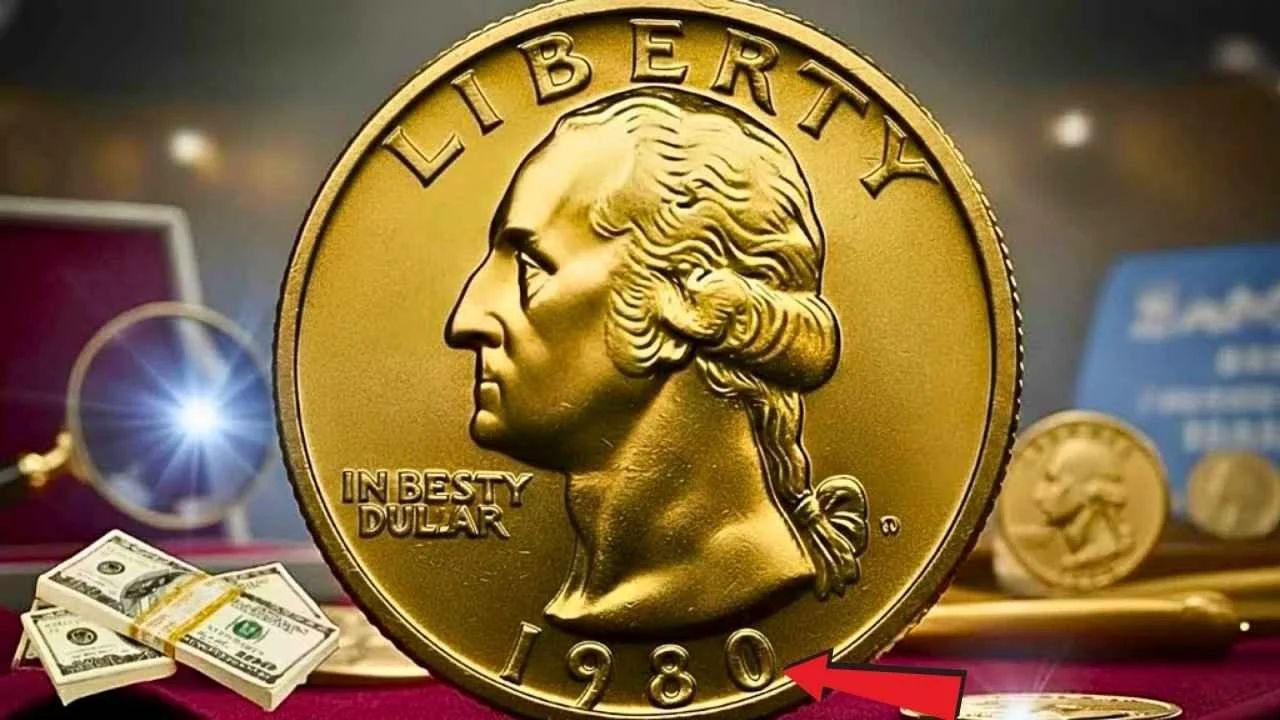
The State Quarters program remains one of the most celebrated coin series in U.S. history. Launched in 1999, it gave each state a unique design, sparking widespread interest in coin collecting. While most quarters are common and worth only face value, certain rare varieties and minting errors have become highly prized. In 2026, collectors are still hunting for these hidden gems, with some quarters now commanding hundreds or even thousands of dollars.
For casual collectors and seasoned enthusiasts, rare State Quarters represent more than currency—they’re pieces of history and a potential investment.
The Story Behind the State Quarters Program
The U.S. Mint created the program to honor each state’s heritage. From 1999 to 2008, every state was released in order of admission to the Union, producing billions of coins. While many circulated freely, rare minting errors and unique varieties have emerged over the years, creating opportunities for savvy collectors to discover valuable coins.
Top 5 Rare State Quarters
| Quarter | Notable Feature | Why It’s Valuable | Market Value Range* |
|---|---|---|---|
| 1999 Delaware | “Spitting Horse” error | Die crack near horse’s mouth | $50–$500 |
| 2004 Wisconsin | Extra Leaf error | Tiny additional leaf on corn, up or down | $1,000–$5,000+ |
| 2005 Kansas | “In God We Rust” | Weak strike caused “Trust” to appear missing | $100–$500 |
| 2000 South Carolina | Off-center strikes | Dramatic misalignment from die | $100–$1,200+ |
| 2002 Mississippi | Double Die error | Doubling visible in lettering | $200–$1,000+ |
*Values vary depending on grade and certification.
1999 Delaware – “Spitting Horse”
The first coin in the series, 1999 Delaware quarter, depicts Caesar Rodney on horseback. A rare die crack near the horse’s mouth creates the illusion of a “spit,” making this error highly collectible. Its status as the inaugural coin adds historical significance.
2004 Wisconsin – Extra Leaf
On the Wisconsin quarter, featuring a cow, cheese wheel, and ear of corn, some coins show an extra leaf pointing either up or down. These subtle minting errors are extremely rare and have sold for thousands at auction, making them a highlight for serious collectors.
2005 Kansas – “In God We Rust”
A weak strike on some Kansas quarters caused the “T” in “Trust” to appear missing, resulting in the humorous error phrase “In God We Rust.” This variety has gained notoriety among collectors, with high-grade coins fetching premium prices.
2000 South Carolina – Off-Center Strikes
Off-center strikes occur when a coin is misaligned during minting. The 2000 South Carolina quarter shows a partially struck design, creating dramatic visual appeal. Such errors are rare and highly desirable in the numismatic market.
2002 Mississippi – Double Die Errors
The Mississippi quarter displays magnolia blossoms, and some examples feature noticeable doubling, particularly in the lettering. This 2002 Mississippi quarter is sought after for its distinct appearance and rarity, making it a standout in collections.
Grading and Condition
Condition is key to value. Coins are graded from Poor (P‑1) to Mint State (MS‑70). Circulated coins are usually worth face value, while high-grade, certified examples can command significant premiums. Error coins in pristine condition are particularly sought after, with MS‑65 or higher considered the most desirable.
Market Trends and Collector Demand
Rare State Quarters continue to achieve strong results at auction. The Wisconsin Extra Leaf error has fetched thousands, and other varieties regularly reach hundreds of dollars. In 2026, collector interest remains robust, driven by both historical significance and investment potential.
The series appeals to beginners, who can easily find common quarters, and to advanced collectors seeking rare errors. Its popularity ensures ongoing demand for scarce varieties.
Preservation and Care
Proper storage preserves both condition and value. Collectors use protective holders and climate-controlled environments, handling coins with gloves to avoid oils and dirt. Cleaning is discouraged, as it can irreversibly reduce a coin’s worth. Professional conservation is recommended for valuable or rare pieces.
Final Thoughts
The State Quarters program remains a cornerstone of modern U.S. coin collecting. While most examples are ordinary, rare error coins can fetch hundreds or even thousands of dollars. In 2026, these quarters continue to excite collectors, combining historical significance with potential financial reward.
Whether discovered in a loose change jar or purchased at auction, rare State Quarters are reminders that hidden treasures can appear in everyday life.