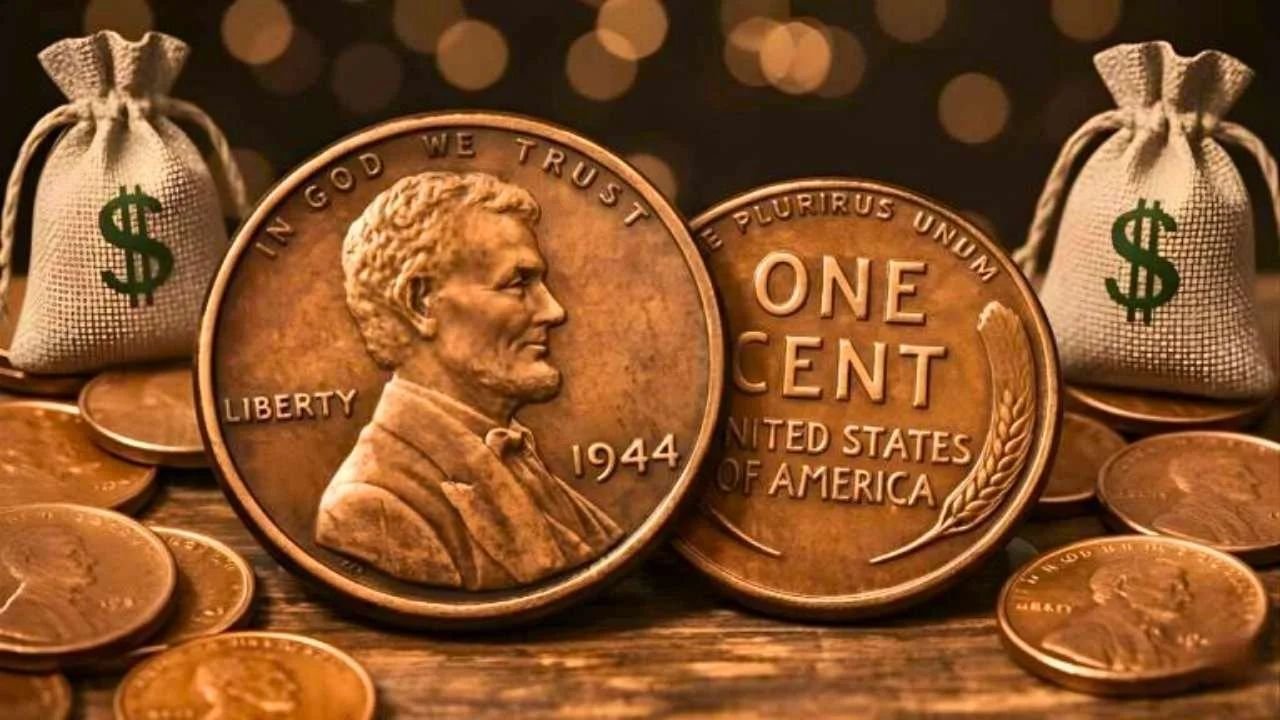
The Lincoln Wheat Penny is a timeless favorite among American collectors. First minted in 1909 to mark Abraham Lincoln’s centennial, these small copper coins have become iconic symbols of U.S. numismatics. In 2026, rare Wheat Pennies continue to attract attention, with certain dates and mint marks commanding thousands of dollars. Beyond their monetary value, these coins tell a story of history, scarcity, and collector enthusiasm.
Whether you’re a casual hobbyist or a seasoned investor, understanding which pennies hold the most value and how market trends are evolving can help you make informed decisions. Some Wheat Pennies, like the 1943 Copper Penny or the 1909‑S VDB, have achieved legendary status among collectors.
Historical Background
The Lincoln Wheat Penny was designed by Victor David Brenner and first issued in 1909. Its obverse features a portrait of Lincoln, while the reverse showcases two wheat stalks, symbolizing prosperity.
Over nearly five decades of production, the series experienced variations in mint marks, composition, and production volume. Some years produced millions of coins, while others were minted in limited quantities, creating today’s rare and highly collectible examples.
Key Dates and Rare Varieties
Not all Wheat Pennies are created equal. Certain coins stand out for their rarity, mint errors, or historical significance.
| Year & Mint | Description | Estimated 2026 Value |
|---|---|---|
| 1909‑S VDB | First year of issue, limited mintage, VDB initials on reverse | $1,500–$50,000+ |
| 1914‑D | Denver mint, scarce in high grades | $1,200–$20,000+ |
| 1922 No D | Denver mint mark missing, highly collectible | $500–$50,000+ |
| 1931‑S | Low mintage year, popular in uncirculated condition | $200–$5,000+ |
| 1943 Copper | Error coin struck in copper instead of steel | $100,000–$1,000,000+ |
These coins highlight the appeal of Wheat Penny collecting, offering both historical context and substantial investment potential.
Condition and Grading
A coin’s grade dramatically affects its value. Coins are assessed from Poor (P‑1) to Mint State (MS‑70):
- Circulated coins with visible wear may only fetch a few cents.
- Fine (F) to Very Fine (VF) coins can carry modest premiums.
- Extremely Fine (EF) and About Uncirculated (AU) coins show crisp details, increasing collector demand.
- Mint State (MS) coins, particularly those with original red luster, are the most valuable, often commanding thousands.
Professional grading from services like PCGS and NGC ensures authenticity and helps collectors and investors gauge true value.
Market Trends in 2026
In 2026, Lincoln Wheat Pennies remain a hot commodity. Demand is rising from both younger collectors entering the hobby and investors seeking alternative assets.
- Rare dates and mint errors see competitive bidding at auction.
- Online marketplaces report steady sales growth, reflecting enduring interest.
- Copper content, historical significance, and scarcity keep Wheat Pennies resilient, even amid fluctuations in silver and gold markets.
Collector Appeal and Investment Potential
The Lincoln Wheat Penny appeals to a broad audience:
- Beginners enjoy accessible, low-cost coins for building collections.
- Advanced collectors seek rare dates and mint errors, offering challenge and excitement.
Rare coins such as the 1909‑S VDB or 1943 Copper Penny have consistently appreciated over decades, making them strong candidates for investment. Certified, high-grade examples are particularly valuable for long-term growth.
Preservation and Care
Proper handling preserves both value and historical integrity:
- Use gloves to avoid oils and dirt on coin surfaces.
- Store coins in protective holders in climate-controlled environments.
- Avoid cleaning, which can damage the coin and reduce its value.
- Professional conservation is recommended for rare and high-value coins.
Key Highlights
- Minted from 1909 to 1958 with iconic Lincoln design
- Rare dates include 1909‑S VDB, 1914‑D, 1922 No D, 1931‑S, 1943 Copper Penny
- Condition and professional grading are critical for value
- Market trends in 2026 show rising demand and competitive auctions
- Appeals to both beginners and advanced collectors
- High-grade and certified rarities offer strong investment potential
Final Thoughts
The Lincoln Wheat Penny is more than just pocket change—it is a historic artifact and a collectible with enduring value. In 2026, its rare varieties continue to attract collectors and investors, offering both nostalgia and financial potential.
Whether building a set of common pennies or hunting for elusive rarities, Wheat Pennies provide endless opportunities for discovery. Even the smallest coin can carry immense historical and financial significance, making it a cornerstone of American numismatics.