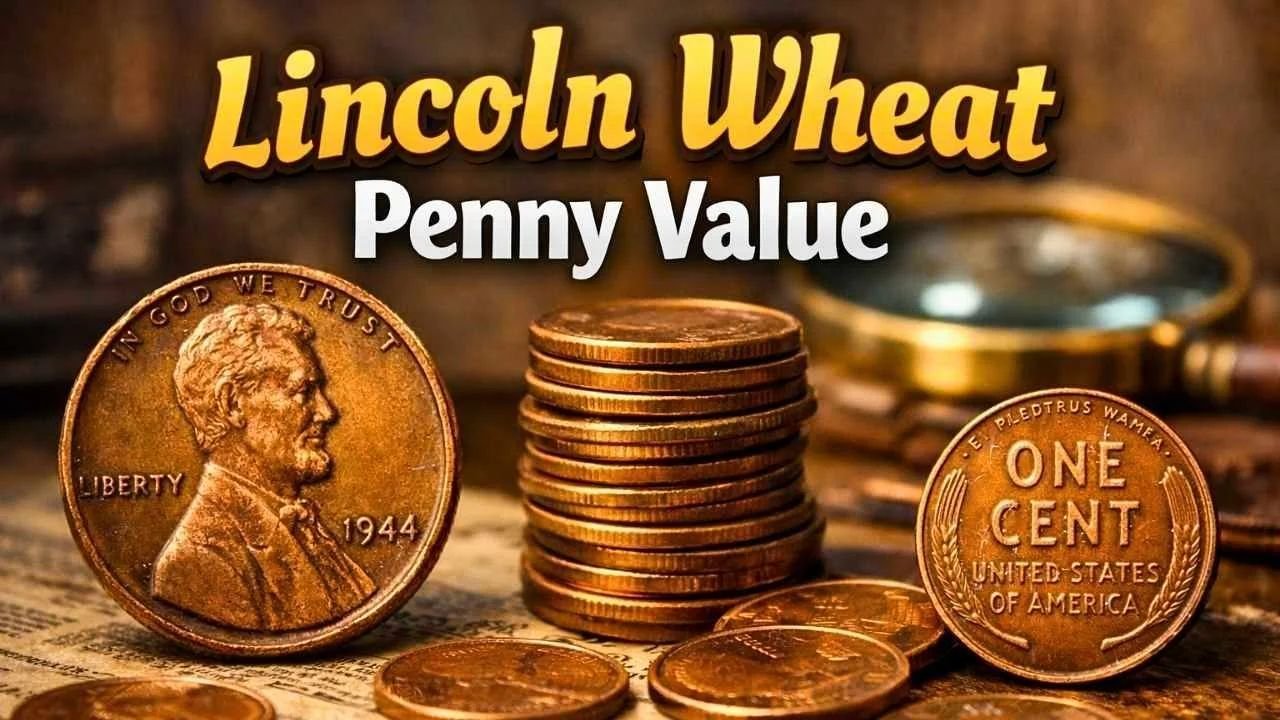
The Lincoln Wheat penny, first minted in 1909, remains one of the most iconic pieces of U.S. coinage. Designed by Victor David Brenner, it features Abraham Lincoln on the obverse and two wheat stalks on the reverse, symbolizing prosperity and growth. While billions of these pennies were produced between 1909 and 1958, a select few varieties have risen to legendary status among collectors. In 2026, the market for rare Wheat pennies is thriving, with certain coins reaching extraordinary values. One of the most famous examples, the 1943 copper penny, even sold for an astonishing $586,000, proving that small change can hide incredible treasures.
From key dates to minting errors, Lincoln Wheat pennies offer a fascinating blend of history and rarity. Collectors continue to hunt these coins, whether from old collections, auctions, or even pocket change, making them a sought-after numismatic pursuit.
Key Rare Lincoln Wheat Pennies
| Coin | Why It’s Valuable | Approx. Value Range |
|---|---|---|
| 1909-S VDB | Low mintage at San Francisco, designer initials visible | $20,000–$100,000+ |
| 1914-D | Scarce Denver mint issue, high-grade examples prized | $5,000–$50,000 |
| 1922 No D | Missing mintmark error, extremely rare | $20,000+ |
| 1931-S | Low mintage, highly sought | $3,000–$15,000 |
| 1943 Copper | Mint error using copper instead of steel | $586,000 |
| 1944 Steel | Mistaken steel planchets from 1943 | $10,000–$40,000 |
| 1926-S | Limited mintage, scarcity in high grades | $2,000–$8,000 |
| 1911-S | Difficult to find uncirculated | $1,500–$7,000 |
| 1917 Doubled Die | Doubling on inscriptions, error coin | $1,500–$10,000 |
| 1924-D | Semi-key date, condition-sensitive | $1,000–$5,000 |
| 1909-S | Low-mintage San Francisco issue | $1,500–$6,000 |
| 1912-S | Scarce in uncirculated condition | $1,000–$5,000 |
| 1915-S | Rare in high grades | $1,000–$4,500 |
| 1920-S | Limited mintage, collector favorite | $1,000–$4,000 |
| 1936 Doubled Die | Dramatic doubling on obverse | $1,500–$8,000 |
| 1955 Doubled Die | Iconic doubling, highly collectible | $10,000–$30,000+ |
Why These Pennies Are Valuable
The value of a Lincoln Wheat penny depends on several key factors:
- Condition: High-grade uncirculated coins command the highest premiums.
- Rarity: Low-mintage coins or unique errors are extremely sought after.
- Minting Errors: Doubling, missing mintmarks, or wrong planchets create extraordinary collectibles.
- Historical Significance: Early issues and iconic error coins carry additional prestige.
Collector Insights
Collectors emphasize careful inspection and professional grading to maximize value. Coins should be stored in protective holders to maintain condition, while auction records help gauge current market demand. Even coins found in circulation may hold unexpected value, particularly for key dates or unusual varieties.
Market Trends in 2026
The market for rare Lincoln Wheat pennies continues to grow, fueled by both historic appeal and collector demand. Key dates, dramatic mint errors, and high-grade specimens are commanding premium prices at auctions worldwide. Coins like the 1943 copper penny and the 1955 doubled die have become legendary, illustrating that small denominations can yield extraordinary returns.
Final Thoughts
Lincoln Wheat pennies are more than just coins—they are pieces of American history, blending artistry, rarity, and storytelling. From the legendary 1943 copper penny to high-grade key dates and dramatic doubled dies, these coins captivate collectors and investors alike. In 2026, the market remains robust, proving that treasures can still be found in everyday change or inherited collections, turning even the humblest penny into a valuable numismatic gem.